Why the UAE is a strategic Automotive Hub

Why the UAE Is a Strategic Automotive Hub
Over the past few decades, the United Arab Emirates has become one of the key global centers for vehicle and auto component trade. For companies operating in the UAE → USA model, it’s not just a convenient sourcing market-it’s a strategic point where suppliers, warehouses, logistics infrastructure, and international trade flows are concentrated in one place.
Understanding the UAE’s role as a global automotive hub helps build a more predictable supply model, reduce operational risk, and speed up sourcing for the right configurations and parts.
1. The UAE as a Global Re-Export Center
The UAE operates as a re-export hub. That means the country isn’t limited to domestic demand-vehicles and components move through it from Europe, Japan, Korea, China, and other regions.
As a result, one geographic node brings together:
- authorized dealer warehouses,
- independent suppliers,
- international distributors,
- major trading companies,
- specialized exporters.
This concentration creates strong market liquidity and fast inventory turnover, which significantly simplifies sourcing for both standard and hard-to-find items.
2. Fast Inventory Turnover and Access to Rare Configurations
Unlike local markets where supply is limited by domestic demand, the UAE offers a wide range of specs and trims-including variants that were never officially sold in the United States.
Because of the region’s international trade dynamics, buyers can often access:
- rare trims and option packages,
- limited editions,
- non-standard configurations,
- hard-to-source automotive components.
This is especially valuable for B2B clients-dealers, service centers, and restoration businesses-who need flexibility and broader selection.
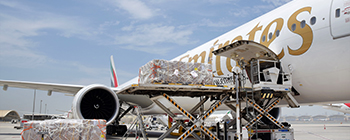
3. World-Class Logistics Infrastructure
One of the UAE’s biggest strategic advantages is its advanced port and transportation infrastructure.
Jebel Ali Port-one of the largest seaports in the world-supports:
- regular container shipping lines,
- stable routes to North America,
- fast cargo handling and processing,
- flexibility in shipment formats and consolidation.
This infrastructure makes it efficient to ship vehicles and to consolidate multiple auto parts into a single shipment.
4. Climate Advantage
The region’s climate is also an important factor. The lack of harsh winter conditions and road salt helps reduce corrosion risk-especially for body components, suspension parts, and other metal assemblies.
For international buyers, this becomes an additional consideration when evaluating the condition of vehicles and components.
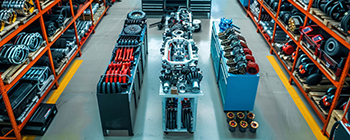
5. Concentrated Warehousing of Auto Components
The UAE is one of the largest regional centers for storage and distribution of auto parts.
Through dealer warehouses and independent networks, the market provides access to:
- genuine OEM components,
- high-quality aftermarket alternatives,
- discontinued items,
- rare and non-standard parts.
A wide supplier network makes it possible to compare alternatives quickly, confirm availability, and build competitive pricing guidance.
6. A Strategic Position Between Europe and Asia
The UAE’s geographic position between Europe and Asia makes it a practical mid-point for global trade. This helps reduce transaction friction, speeds up redistribution of supply flows, and keeps the market flexible for international sourcing.
Conclusion
The UAE is more than just a place to buy vehicles or parts-it’s a strategic center of international automotive trade where suppliers, logistics, and global flows intersect.
With the right process in place, the UAE market helps you:
- speed up sourcing,
- expand available options,
- reduce operational risk,
- build a controlled, repeatable UAE → USA supply model.
That’s why for companies focused on international importing and auto parts supply, the UAE becomes a key source of strategic advantage.
Latest Insights